
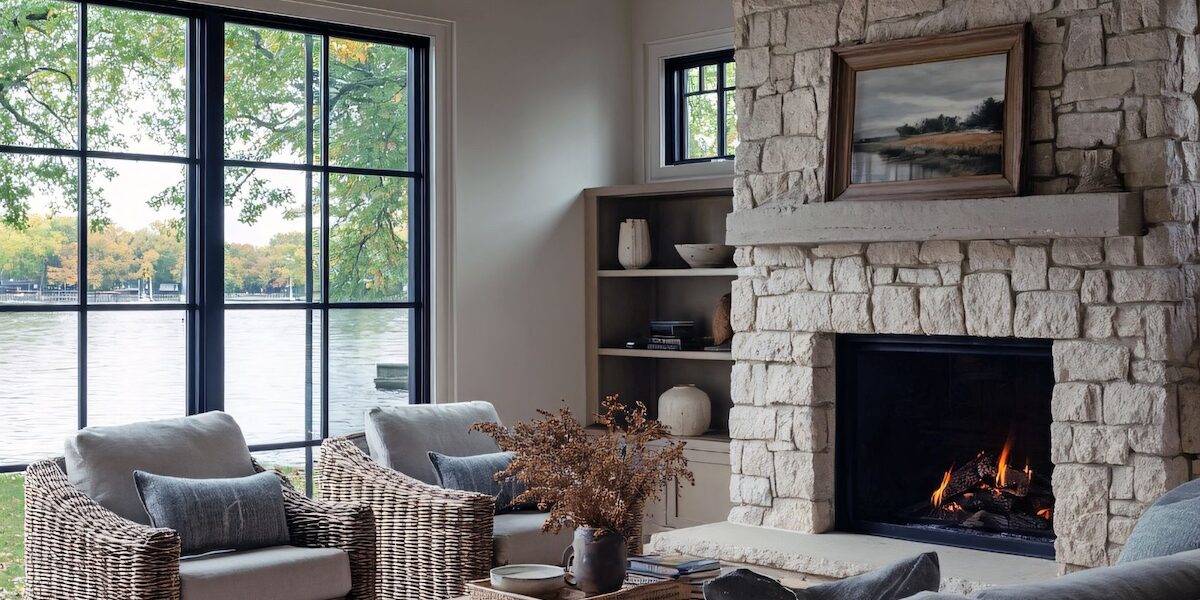
It’s that time of year that many lake homeowners dream of. It’s cold, and it’s time to use that fireplace. Choosing the right firewood matters, especially in the Southeast, where humidity, mild winters, and long shoulder seasons affect how wood performs in a fireplace or wood stove. Not all firewood is created equal. Some species burn fast and dirty, while others provide long-lasting heat and dependable coals. Understanding the differences helps homeowners get better performance, cleaner burns, and more comfort from every fire.
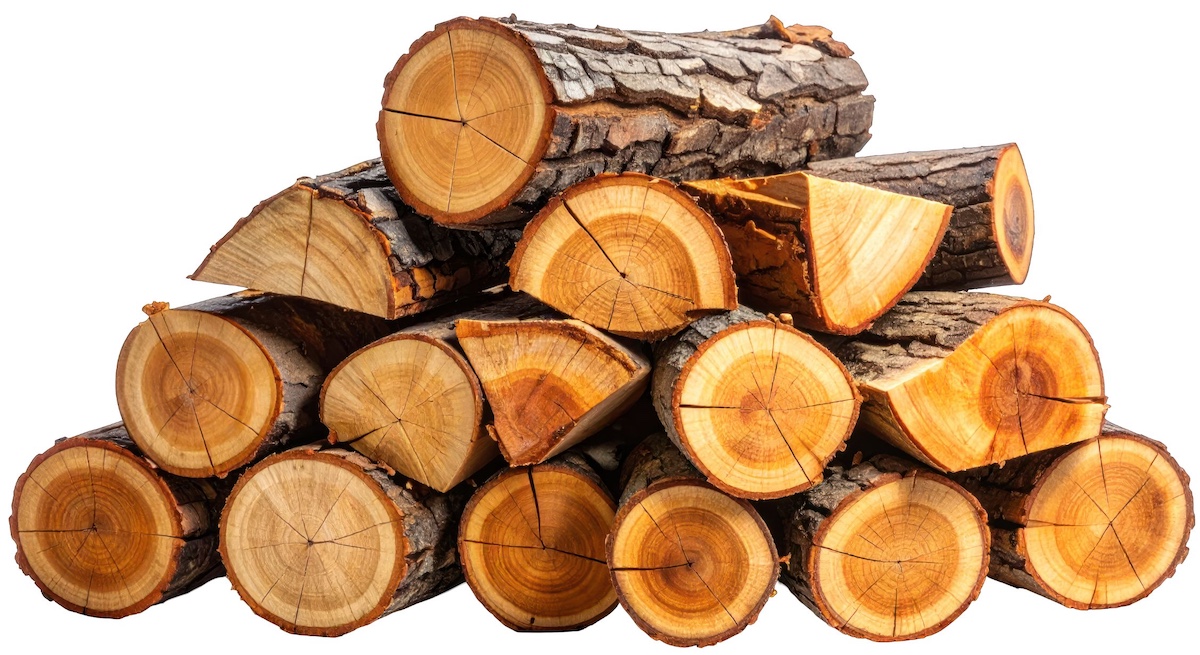
As a general rule, hardwoods outperform softwoods, dense woods burn longer and hotter, and seasoning matters more than species. Even the best firewood will underperform if it is not properly dried, especially in the humid Southeast. Here is a practical ranking of common Southeastern firewood species in the Lake Martin area, from worst to best, based on heat output, burn time, and overall fireplace performance.
Pine (Worst)
Pine is one of the most common woods available in the Southeast, but it ranks at the bottom for fireplace use. It produces low heat and burns very quickly. Pine also creates heavy creosote buildup and tends to pop and spark, which can be dangerous in open fireplaces.
While pine ignites easily and works well as kindling, it burns fast and dirty. It is not a good choice for sustained fires or overnight heat.
Use “fatwood,” locally known as “lightard stump,” to start your fire. Old pine stumps can accumulate large amounts of pine resin. Split into very small pieces, this fatwood is excellent for starting your fire, but not for burning as logs. The oily wood produces excessive smoke and short-term heat, leading to creosote buildup in chimneys.
Poplar (Tulip Poplar or Yellow Poplar)
Poplar provides low heat and a short burn time. It is easy to split and season quickly, which makes it appealing for convenience. However, it burns so quickly that you will constantly need to add logs.
Poplar produces minimal coals and is best used during mild weather or mixed with denser hardwoods rather than burned alone.
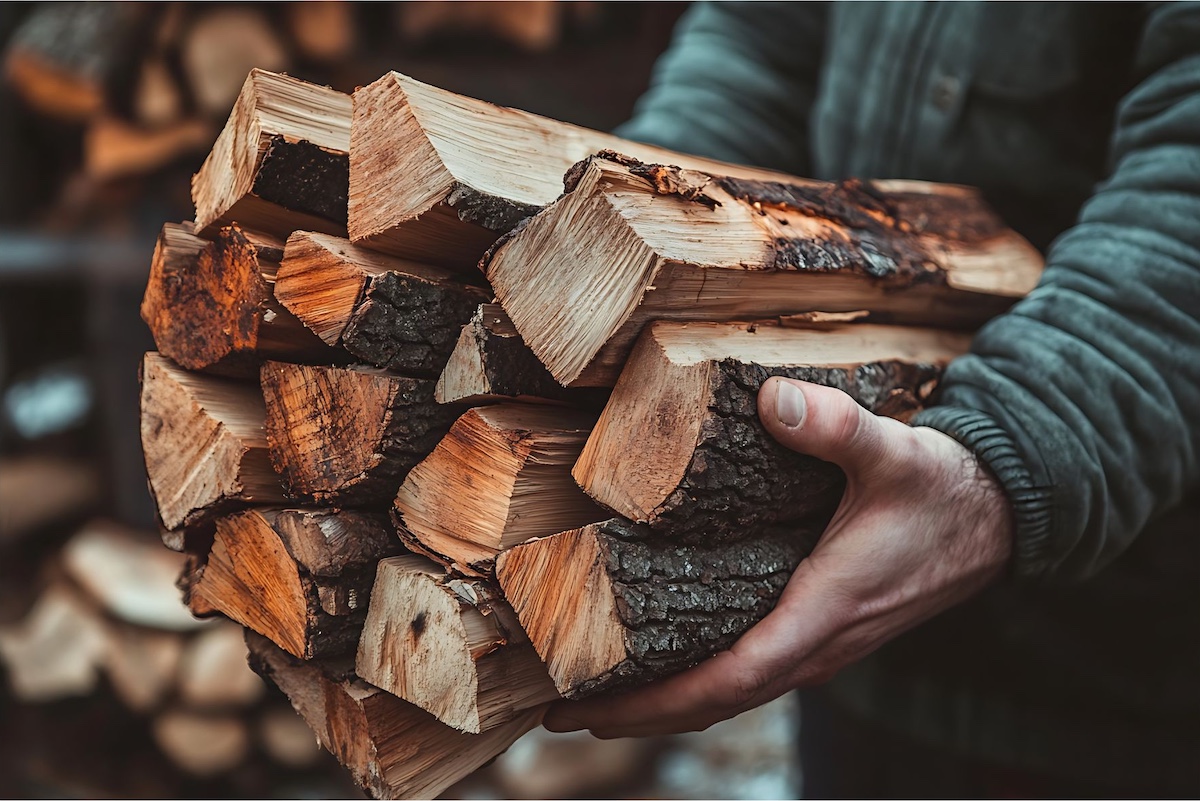
Sweetgum
Sweetgum is common across the Southeast but is not particularly efficient as firewood. It offers moderate to low heat and a short to moderate burn time. One of its biggest drawbacks is its difficulty in splitting, especially when green.
Sweetgum can burn inconsistently, making it less reliable for steady heat. It works best as a secondary wood rather than a primary heat source.
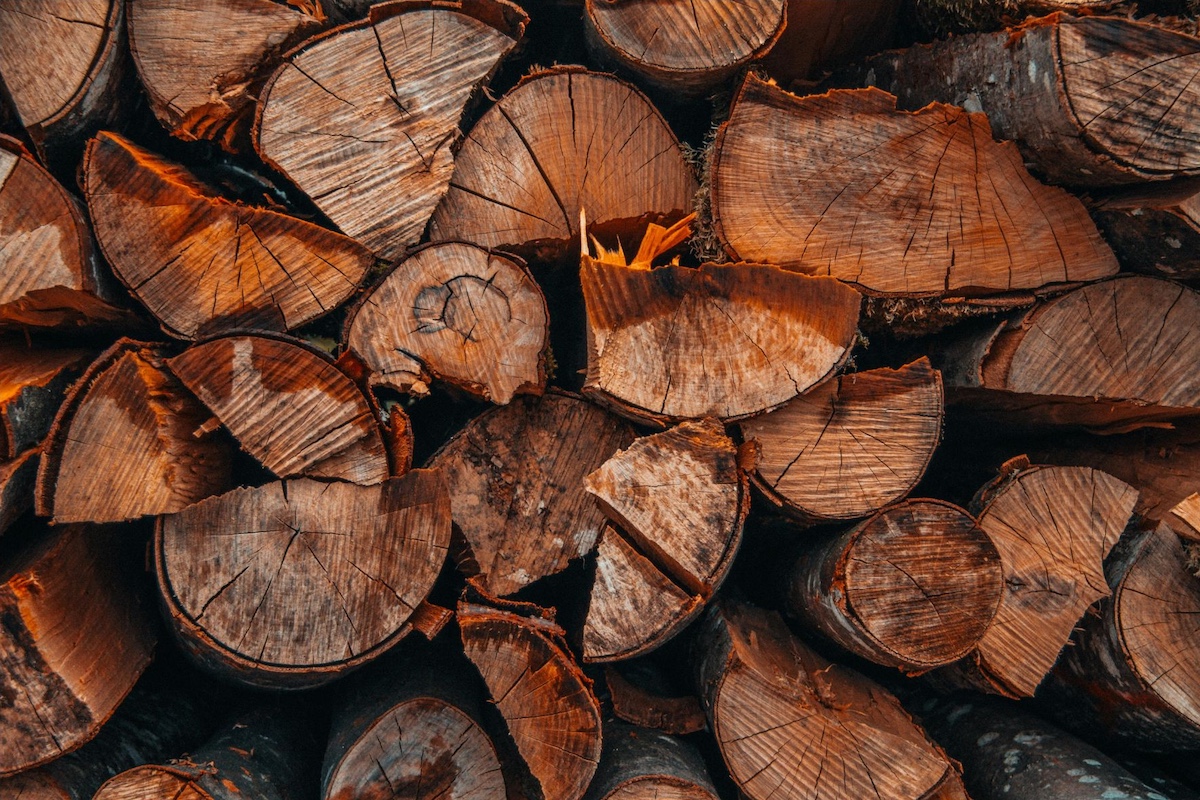
Elm
Elm sits squarely in the middle of the rankings. It provides moderate heat and a moderate burn time. The main challenge with elm is splitting, as it can be extremely tough unless it is fully seasoned.
Once properly dried, elm burns better than softwoods but still does not match the performance of top-tier hardwoods.
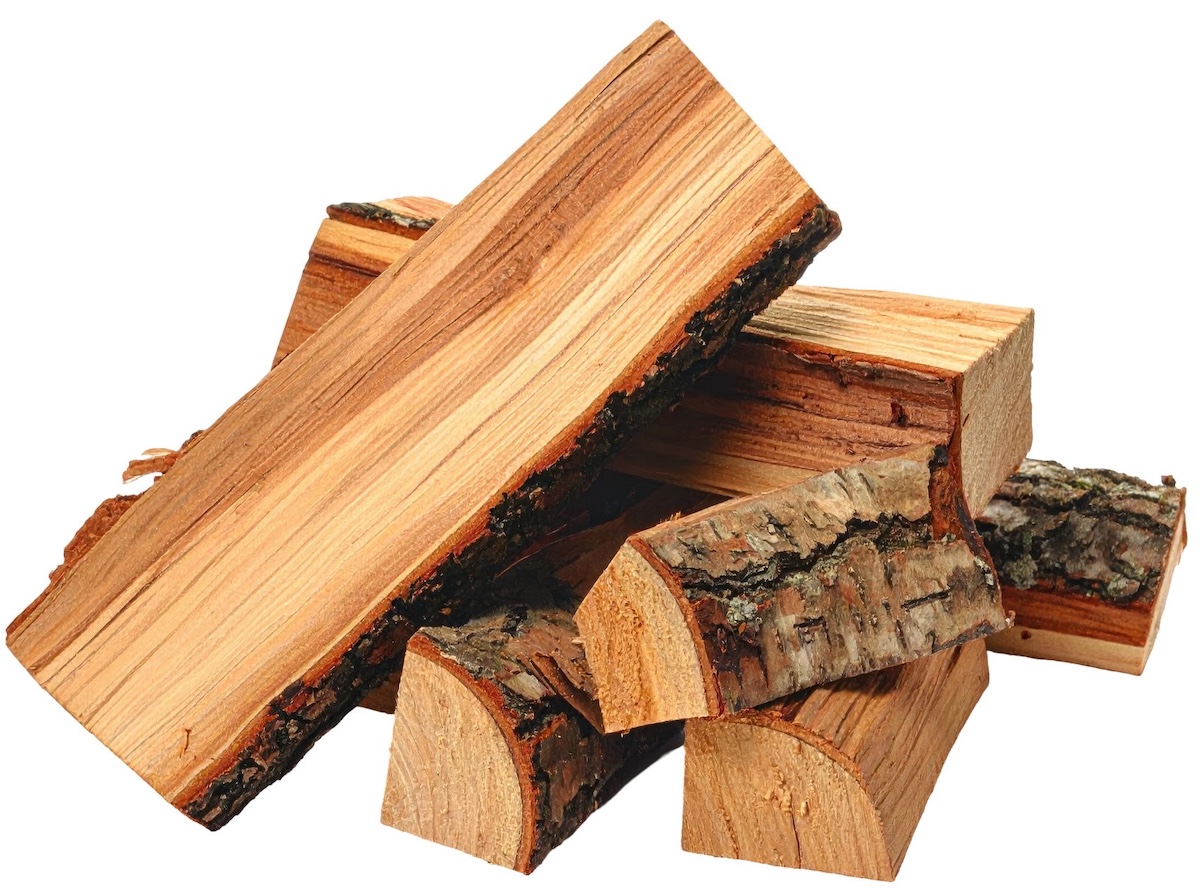
Soft Maple (Red or Silver Maple)
Soft maple offers moderate heat and a clean, easy burn. It lights easily and produces less smoke than many lower-ranked woods. Its burn time is moderate, making it useful during fall and early spring.
While soft maple performs well for shorter fires, it does not deliver the deep, long-lasting heat needed for colder nights.
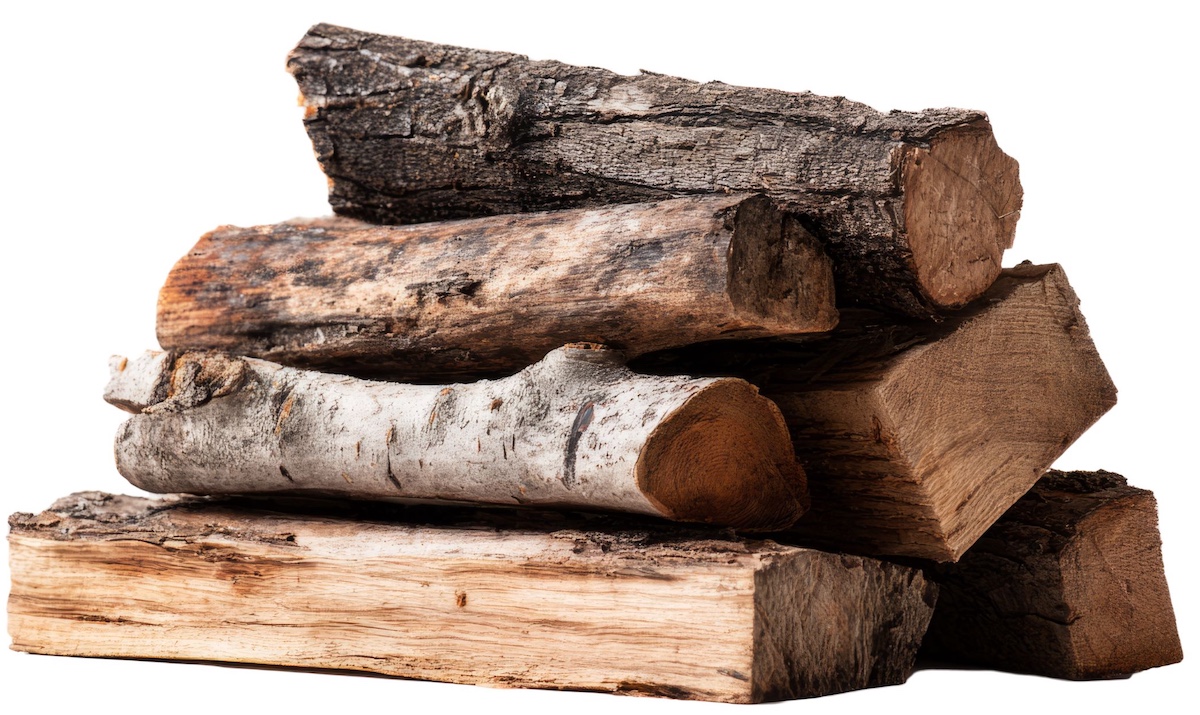
Ash
Ash is one of the most reliable firewood choices in the Southeast. It produces high heat, burns for a long time, and creates excellent coals. One advantage of ash is that it burns well even when not perfectly seasoned, though proper drying always improves performance.
Ash provides steady, consistent heat, making it a favorite for both fireplaces and wood stoves.
Hickory
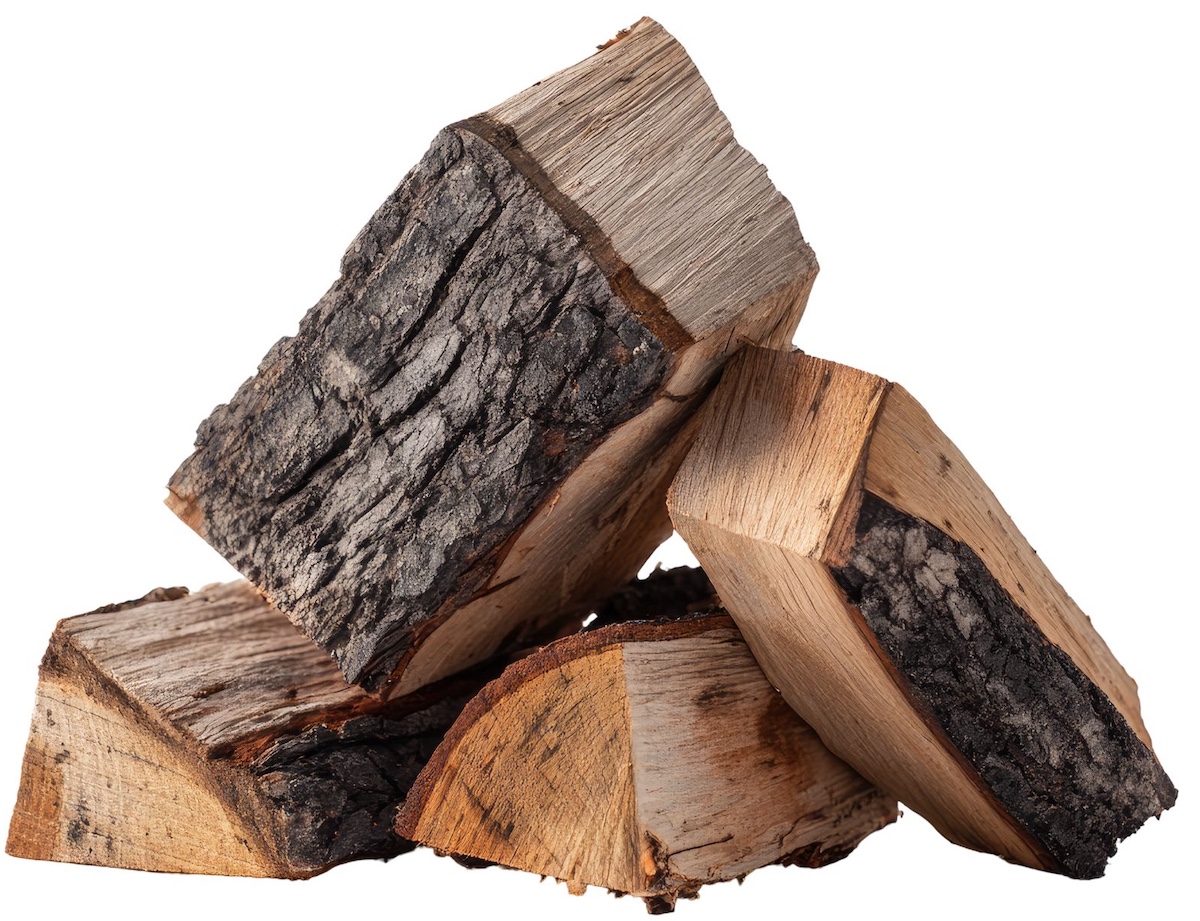
Hickory is a powerhouse firewood. It delivers very high heat and an exceptionally long burn time. Dense and heavy, hickory produces strong coals and excellent radiant heat, making it ideal for long fires and overnight burns.
Because of its density, hickory takes longer to season, but the payoff is worth the wait.
White Oak (Best)
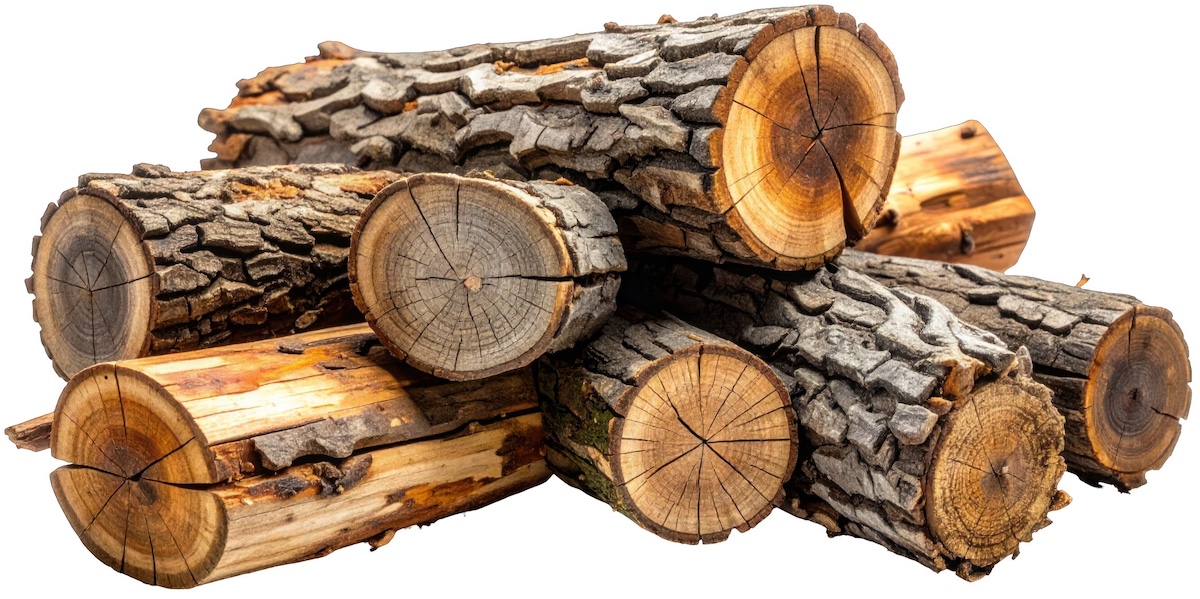
White oak is widely considered the gold standard for Southeastern firewood. It produces extremely high heat, burns longer than almost any other species, and creates consistent, long-lasting coals. When properly seasoned, white oak burns clean and evenly.
Its density allows it to provide steady heat over extended periods, making it ideal for winter use and serious wood burners.
Mixing Firewood for Better Performance
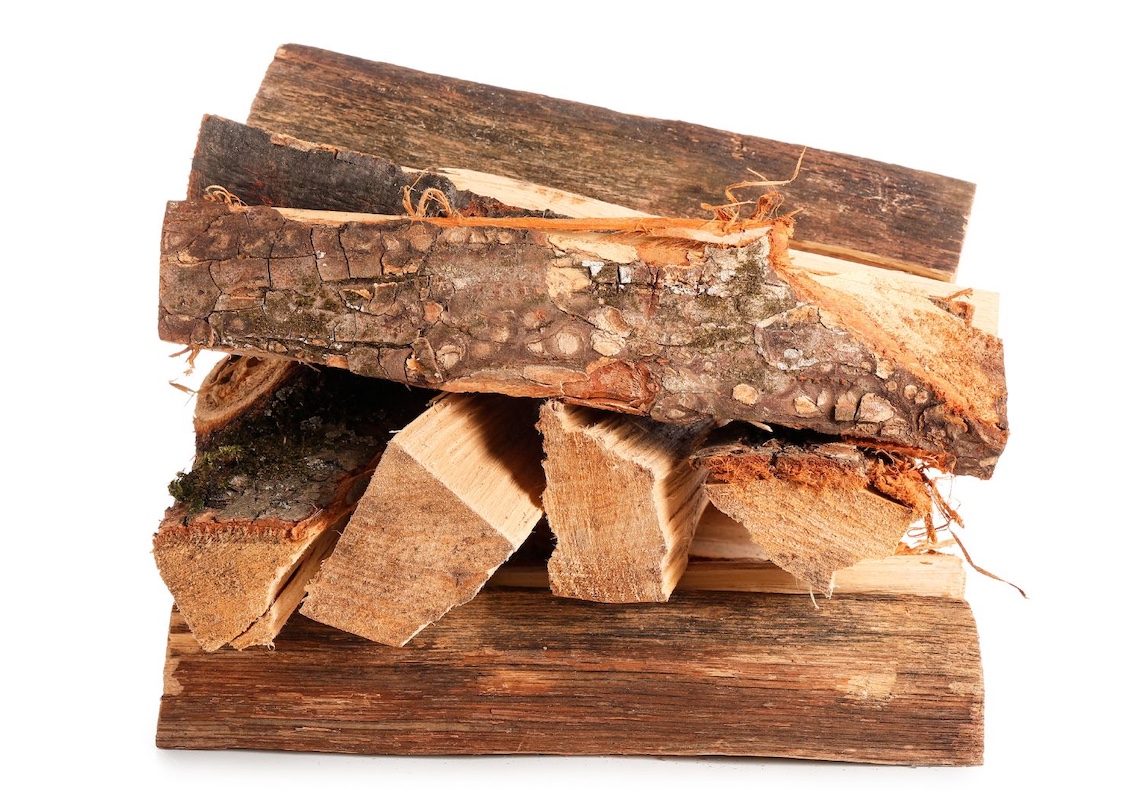
One of the most effective ways to achieve optimal performance from your fireplace or wood stove is to mix different types of firewood. In the Southeast, where humidity can make seasoning challenging and temperatures fluctuate throughout the season, a blended approach provides better control over heat output, burn time, and ease of use.
Mixing woods lets you leverage each species’ strengths. Faster-lighting woods help you establish a fire quickly, while dense hardwoods sustain heat for hours. This approach also reduces frustration, minimizes smoke, and helps manage creosote buildup by keeping fires burning at efficient temperatures.
Popular Firewood Mixing Strategies
A common and highly effective mix is oak and hickory. Oak provides long, steady heat and dependable coals, while hickory adds intense radiant heat and boosts overall fire temperature. This combination works well for cold evenings and long burns, especially when maintaining heat over several hours.
Ash and oak is another popular blend. Ash lights more easily than oak and burns well even when slightly under-seasoned. Using ash to establish the fire and adding oak once strong coals form creates a smooth transition to long-lasting heat.
During shoulder seasons, many homeowners prefer a soft maple-oak blend. Soft maple ignites quickly and produces a clean flame, making it ideal for mild days. Adding one or two oak logs extends the burn without overheating the space.
Stacking and Using Mixed Firewood
When storing firewood, it helps to stack by type but burn in combinations. This makes it easier to select the right mix based on weather conditions and desired heat output. Keeping a small indoor rack with a variety of species allows you to adjust fires on the fly.
Why Mixing Matters
No single firewood species is perfect for every situation. Mixing woods gives you flexibility, improves efficiency, and makes fires easier to manage. By blending fast-starting woods with dense hardwoods, Lake Martin homeowners can enjoy cleaner burns, longer-lasting heat, and a more comfortable indoor fire experience throughout the season.