


Mardi Gras and Carnival Traditions Across Cultures
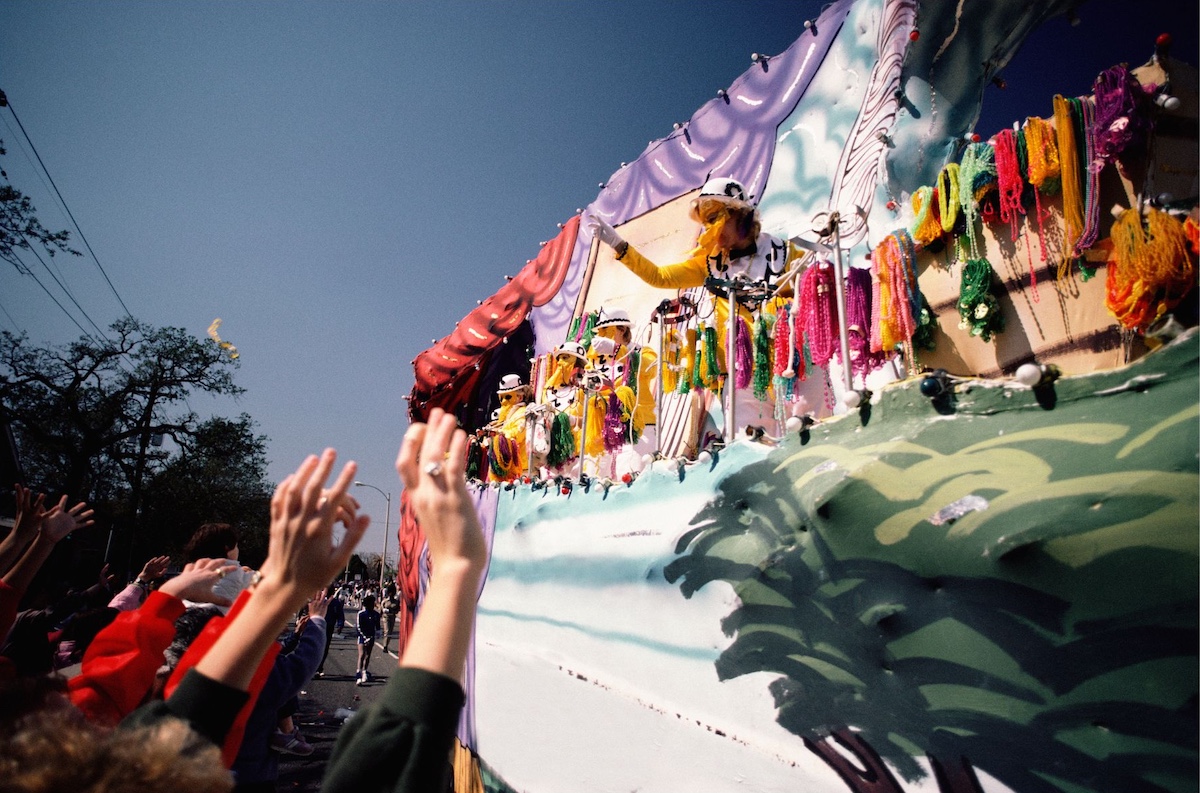
Mardi Gras, also known as Carnival in many countries, is a global celebration with deep cultural roots. The name “Mardi Gras” means “Fat Tuesday” in French. It refers to the final day of feasting before the Lenten season begins. Across Europe, South America, and the Caribbean, Carnival celebrations feature parades, music, masks, and elaborate costumes. Brazil, Italy, France, and Trinidad all host world-famous events tied to this tradition. Over time, the holiday has grown beyond its religious origins and become a cultural celebration enjoyed worldwide.
The Origins of Mardi Gras in the United States
In the United States, Mardi Gras traces its beginnings to Mobile, Alabama. French settlers celebrated Mardi Gras there as early as the early 1700s. Mobile hosted the first organized celebration in America decades before New Orleans gained prominence. From Mobile, the tradition spread along the Gulf Coast. New Orleans later became the most recognized Mardi Gras destination, known for grand parades and the social clubs that organize them, called krewes. Despite this fame, Mobile remains the birthplace of American Mardi Gras.
Religious Roots and the Meaning Behind the Season
Carnival is closely connected to Christianity, particularly the Catholic calendar. It marks the final day before Ash Wednesday and the beginning of Lent. Lent is a 40-day period of reflection, fasting, and preparation leading up to Easter. Historically, Carnival allowed people to enjoy rich foods before dietary restrictions began. This religious connection explains the emphasis on indulgence, celebration, and community gatherings. Even today, many traditions reflect this balance between faith and festivity.
Why the Date Changes Every Year
Mardi Gras does not fall on a fixed date. Its timing depends on the date of Easter, which changes annually. The event always occurs 47 days before Easter Sunday. This places it anywhere between early February and early March. Because of this variability, Carnival season can feel longer in some years. The extended schedule allows communities to plan multiple events and celebrations.
Hosting a Mardi Gras Party at Lake Martin
Hosting a Mardi Gras party at Lake Martin offers a great way to get together with friends and neighbors. Waterfront homes provide a natural space for gathering and outdoor fun. Start with themed decorations using traditional Mardi Gras colors. Music is essential, so consider jazz, brass bands, or upbeat party playlists. Encourage guests to dress in festive attire or costumes. A casual lakeside party blends Southern hospitality with classic Mardi Gras energy.

What to Serve at a Mardi Gras Gathering
Food plays a central role in any Mardi Gras celebration. Popular dishes include gumbo, jambalaya, and red beans and rice. These meals are hearty, flavorful, and easy to serve buffet-style. For appetizers, consider shrimp, crawfish dips, or mini po’boys. Desserts should always include King Cake, which could be shipped in time for Fat Tuesday. Signature drinks, such as hurricanes or mocktail versions, enhance the theme. Serving classic dishes helps guests feel immersed in the celebration.
Mardi Gras Colors and Their Meaning
Mardi Gras colors are rich in symbolism. Purple represents justice and reflects spiritual significance. Green symbolizes faith and growth. Gold stands for power and prosperity. These colors originated from early krewes and remain central today. Decorations, beads, and attire often feature all three colors together. Using these colors helps create an authentic atmosphere.
King Cake and Its Symbolism
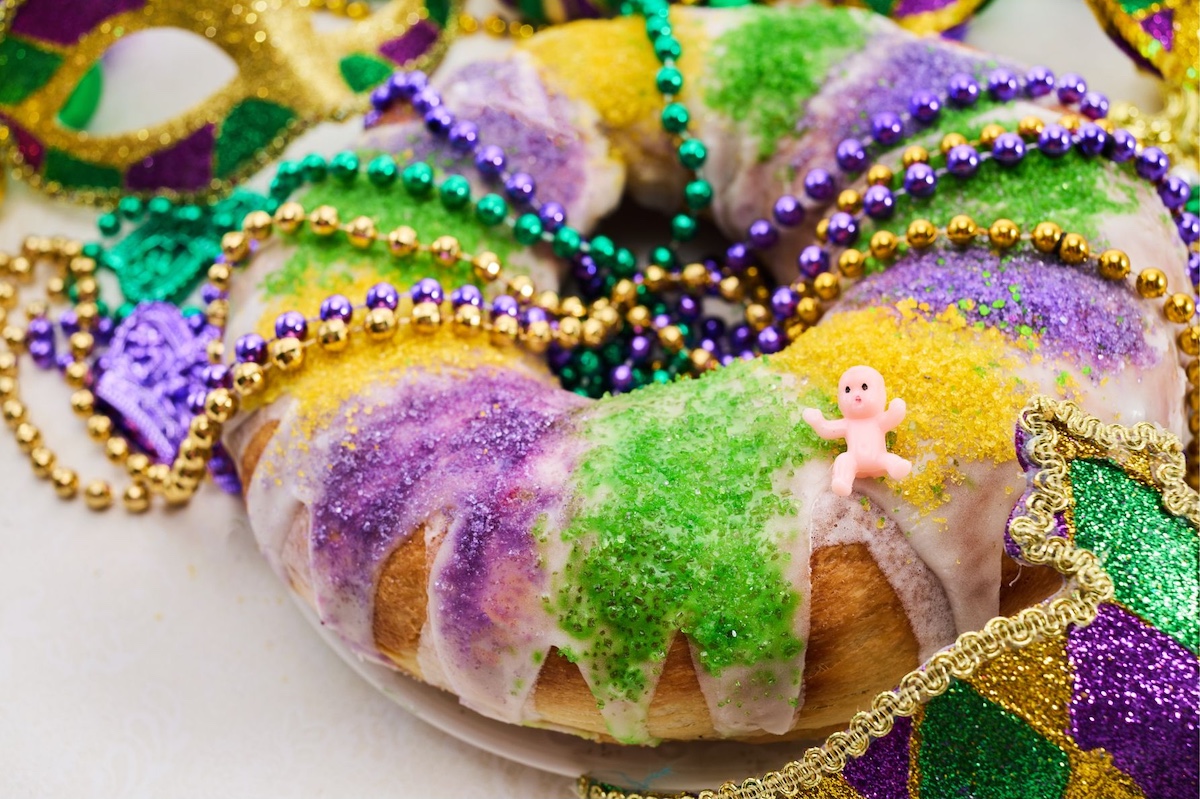
King Cake is one of the most recognizable Mardi Gras traditions. The cake is typically oval-shaped and decorated with purple, green, and gold sugar. Inside the cake is a small figurine, often a baby. This figure represents the baby Jesus and the Epiphany. The person who finds it is expected to host the next party. King Cake brings fun, tradition, and shared meaning to the celebration.
Costumes, Masks, and Creative Expression
Costumes and masks are essential elements of Mardi Gras. Historically, masks allowed people of different social classes to mingle freely. Today, costumes encourage creativity and playful self-expression. Feathers, beads, sequins, and bold colors are common choices. Some costumes are elaborate, while others are simple and fun. Dressing up adds excitement and helps guests fully embrace the holiday spirit.
Bringing the Mardi Gras Spirit to the Lake
Mardi Gras continues to grow in popularity because it blends history, culture, and pure fun. Its traditions invite people to gather, celebrate, and enjoy time together. Hosting a Mardi Gras party at your lake house adds another layer of enjoyment. The relaxed lake setting pairs perfectly with colorful décor, great food, and festive music. Guests can spread out, enjoy the views, and settle into the rhythm of the celebration. A Mardi Gras party at the lake is about connection, celebration, and making lasting memories with friends and family.