

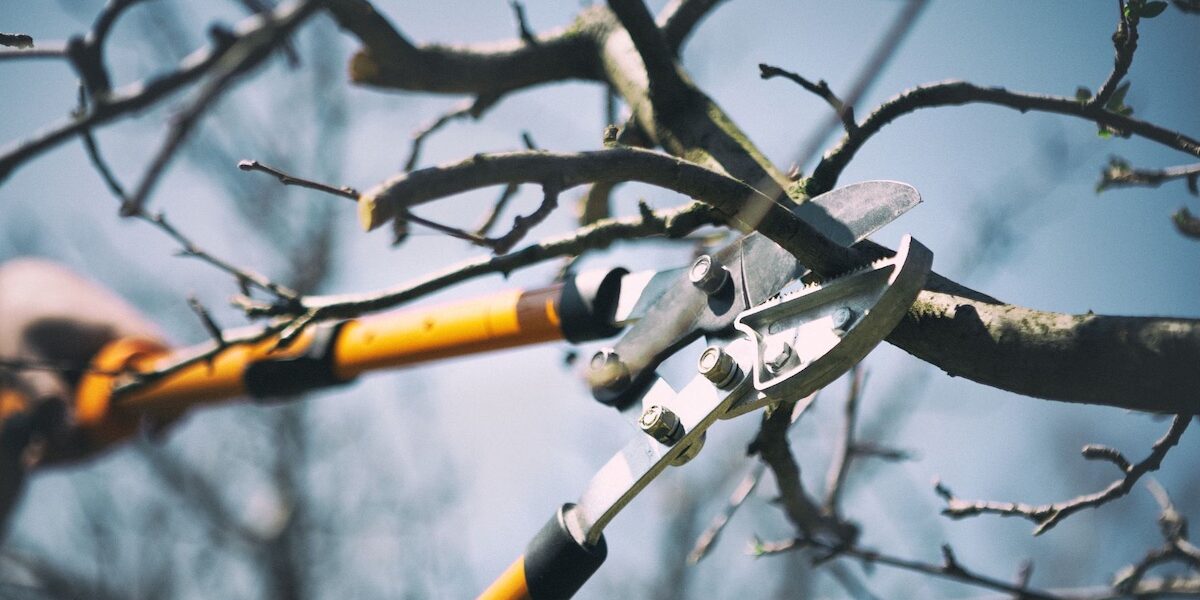
Winter pruning is a key part of maintaining healthy landscapes around Lake Martin, where mild winters and early springs influence how and when plants should be pruned. Late January and February are typically the most effective months for winter pruning in central Alabama. Most trees and shrubs are dormant, yet the risk of severe cold has usually passed, making this an ideal window for structural and corrective pruning.
Understanding which plants benefit from winter pruning—and which should be left alone—is especially important in the Lake Martin area, where spring growth often arrives earlier than in colder regions.
Why Winter Pruning Works Well in the Lake Martin Climate
Lake Martin’s climate features relatively short, mild winters with occasional cold snaps. Because plants enter dormancy later and wake earlier than in northern climates, timing matters. Pruning during late January and February allows plants to heal quickly once spring temperatures rise, without stimulating premature growth.
Dormant pruning in this region reduces stress on plants, improves airflow, and helps manage the rapid growth that often follows Alabama’s warm, wet spring conditions. With leaves gone, it is also easier to assess branch structure and identify damage caused by summer storms or fall winds common around the lake.
Trees That Should Be Pruned in Late Winter
Most deciduous trees commonly found in Lake Martin landscapes respond well to winter pruning. Oaks, maples, elms, birches, and sweetgums benefit from structural pruning while dormant. Removing crossing branches and weak limbs helps trees withstand spring storms and heavy summer foliage.
Crape myrtles, a signature tree throughout the Lake Martin area, are best pruned lightly in winter. Focus on removing dead wood and thinning crowded branches rather than heavy cutting, which can lead to excessive growth and fewer blooms.
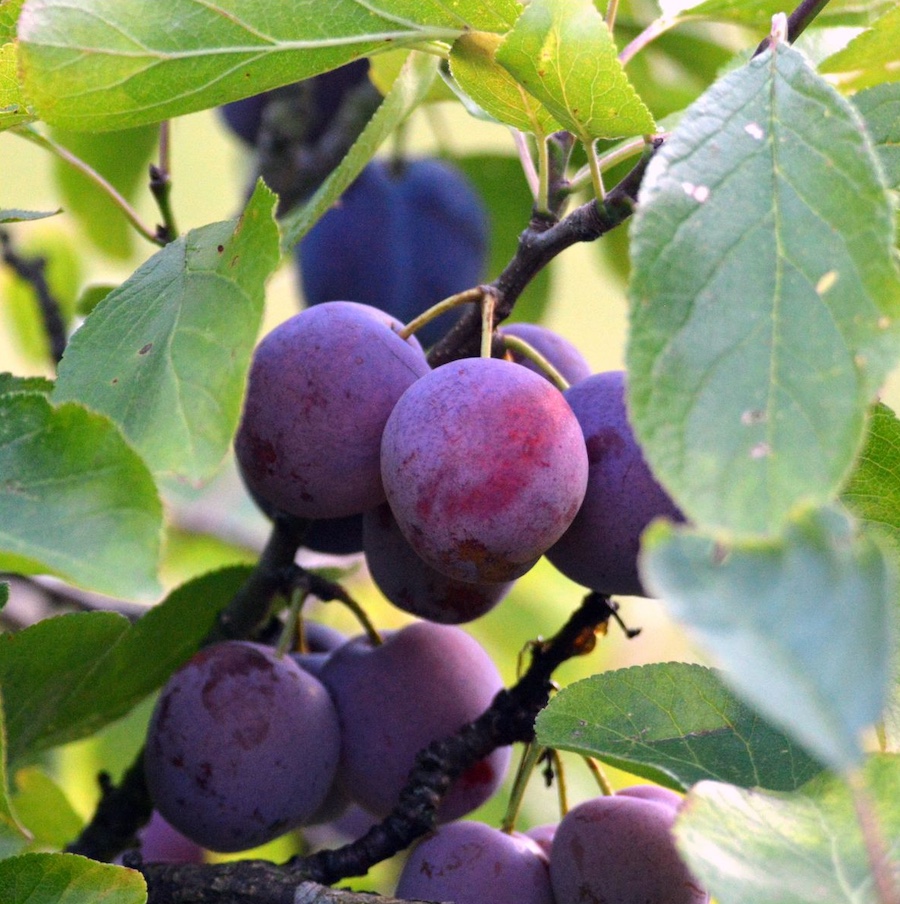
Fruit trees such as apples, peaches, pears, and plums also benefit from late winter pruning. Proper pruning improves air circulation and sunlight exposure, both critical in Alabama’s humid climate, where fungal issues can develop quickly.
Shrubs That Respond Well to Winter Pruning
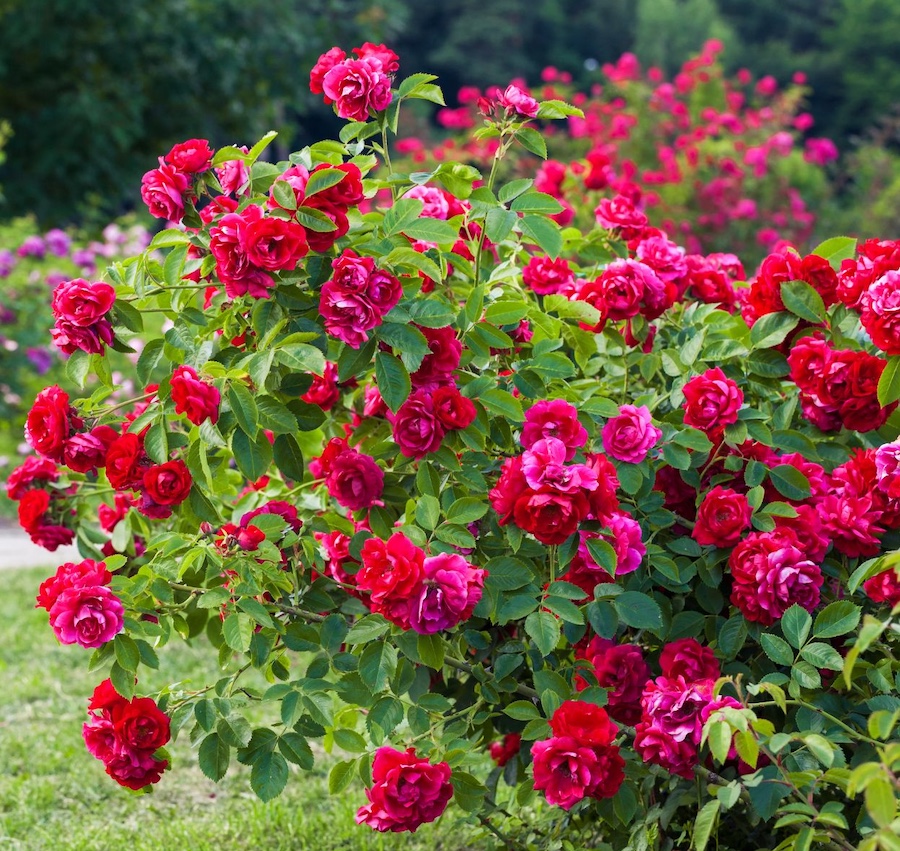
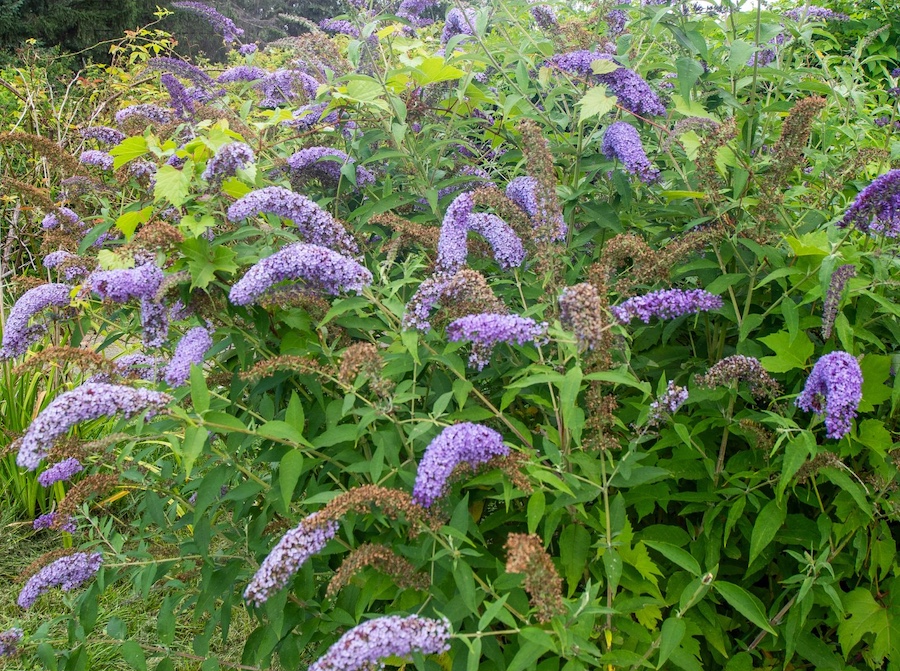
Many summer-flowering shrubs common around Lake Martin bloom on new growth and can be pruned safely in winter. Roses, abelia, butterfly bush, and certain hydrangea varieties benefit from winter pruning to control size and encourage vigorous flowering.
Evergreen shrubs can be selectively pruned during winter, especially to remove storm damage. However, heavy shaping is best avoided until spring growth resumes.
Plants to Avoid Pruning Before Spring in Central Alabama
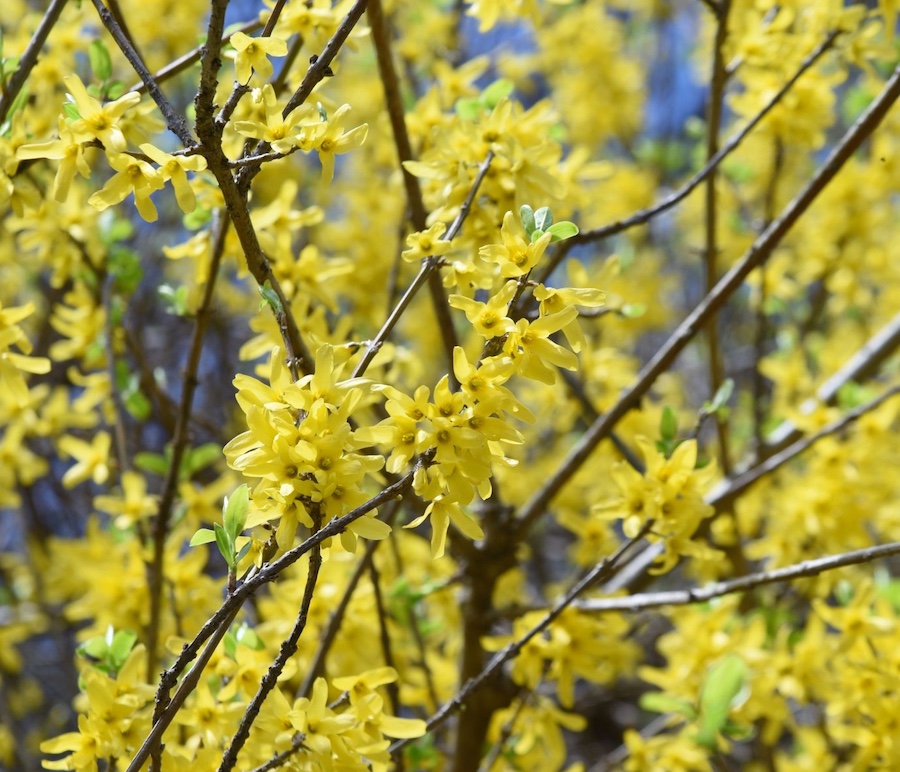
Some of the most popular ornamental plants around Lake Martin bloom on old wood and should not be pruned in winter. Forsythia is a well-known example, but it is not alone.
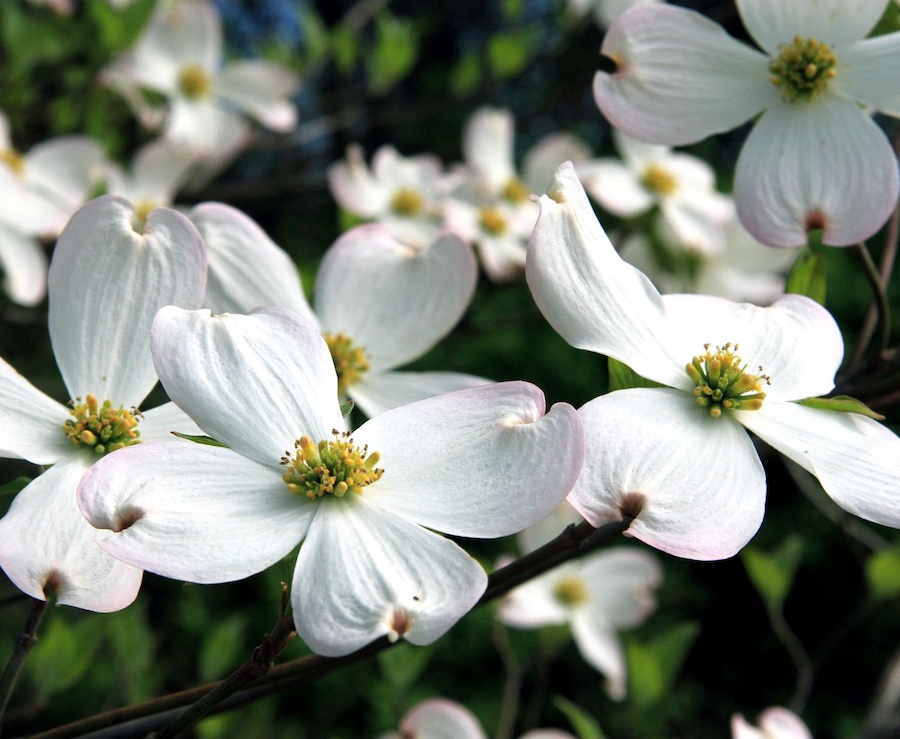
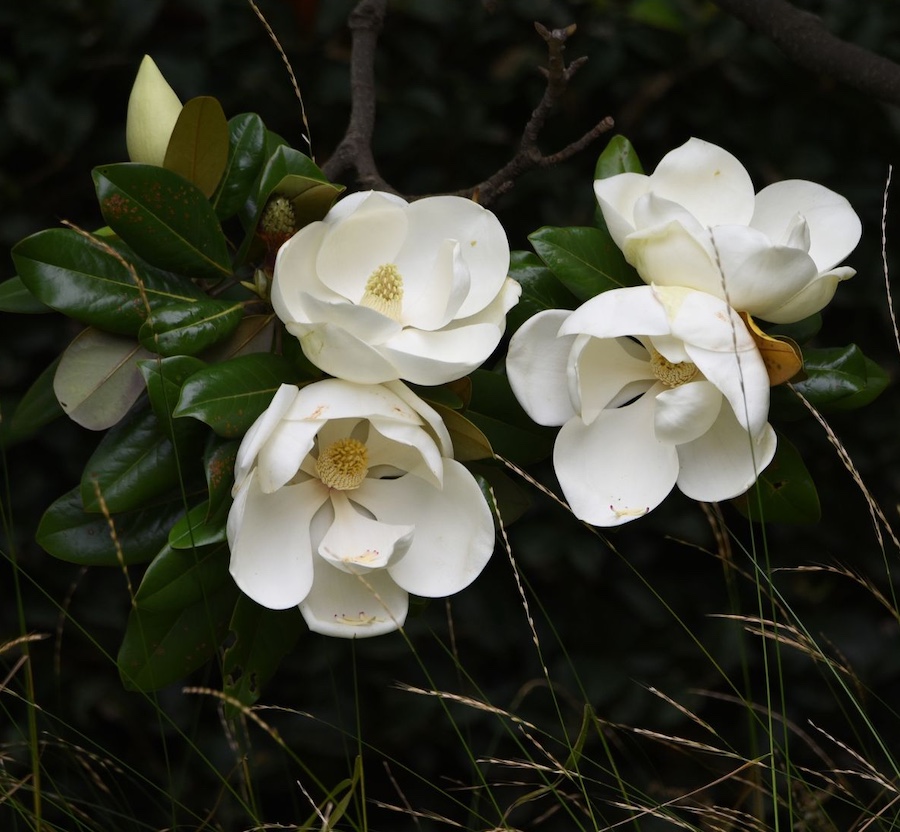
Azaleas, camellias, rhododendrons, lilacs, oakleaf hydrangeas, and gardenias should be pruned only after flowering. Spring-flowering trees such as dogwoods, redbuds, magnolias, and flowering cherries should also be left untouched until blooms fade. Pruning these plants in winter removes flower buds that formed during the previous growing season.
Plants That Require Minimal Pruning
Many plants used in Lake Martin landscapes require little pruning. Boxwoods, hollies, junipers, and dwarf evergreens typically maintain their shape with only occasional light trimming. Over-pruning can weaken these plants and reduce their natural density.
Ornamental grasses can be cut back in late winter before new growth emerges, but most perennials do not require pruning beyond removing dead foliage.
Best Practices for Winter Pruning Around Lake Martin Homes
Use clean, sharp tools to prevent disease transmission, especially in Alabama’s humid environment. Always remove dead, damaged, or diseased branches first. Avoid pruning during freezing conditions, as brittle wood is more likely to crack.
When uncertain about a plant’s growth habit, it is better to wait than risk cutting off spring blooms. A conservative approach often produces the best long-term results.
Preparing Your Lake Martin Landscape for Spring Growth
Winter pruning is one of the most effective ways to prepare Lake Martin landscapes for a strong spring season. Proper timing improves plant health, enhances curb appeal, and reduces maintenance issues later in the year.
By focusing winter pruning on the right plants and leaving spring bloomers alone, homeowners can enjoy healthier growth, fuller blooms, and a landscape that thrives year-round in the Lake Martin environment.