

Key Takeaways
- Most Lake Martin properties use septic systems due to the area’s rural character, but some neighborhoods have access to community sewer systems.
- Septic systems give homeowners independence but require regular pumping and inspections every 3 to 5 years.
- Community sewer service eliminates on-site maintenance but comes with monthly service fees and connection costs.
- Understanding your property’s wastewater setup before closing helps you budget accurately and avoid surprises.
Buying a Lake Martin home for sale is one of the most rewarding decisions you can make. The lake lifestyle — the water, the scenery, the community — is unlike anywhere else. But before you fall in love with a property, it helps to understand one practical reality: how that home handles wastewater. Whether a property relies on a septic system or connects to a community sewer system can affect your budget, maintenance responsibilities, and the home’s long-term enjoyment.
This guide breaks down the key differences between the two systems. It covers costs, maintenance, and what to ask during your home search. Most importantly, it helps you walk into any Lake Martin property inspection with the right questions in hand.
Why Wastewater Matters on Lake Martin
Lake Martin is a 40,000-acre reservoir managed by Alabama Power. The lake’s water quality is a shared responsibility among residents, regulatory agencies, and utility providers. Wastewater systems that fail — whether septic or sewer — can contribute to nutrient runoff and bacterial contamination. That’s why understanding how a home manages wastewater isn’t just a practical question. It’s also an environmental one.
Alabama has specific regulations governing septic system installation and maintenance near waterways. The Alabama Department of Public Health (ADPH) oversees on-site wastewater permitting throughout the state. Local county health departments also play a role. If you’re buying a property on the water, ask about the age and condition of the wastewater system early in the process.
Understanding a Septic System
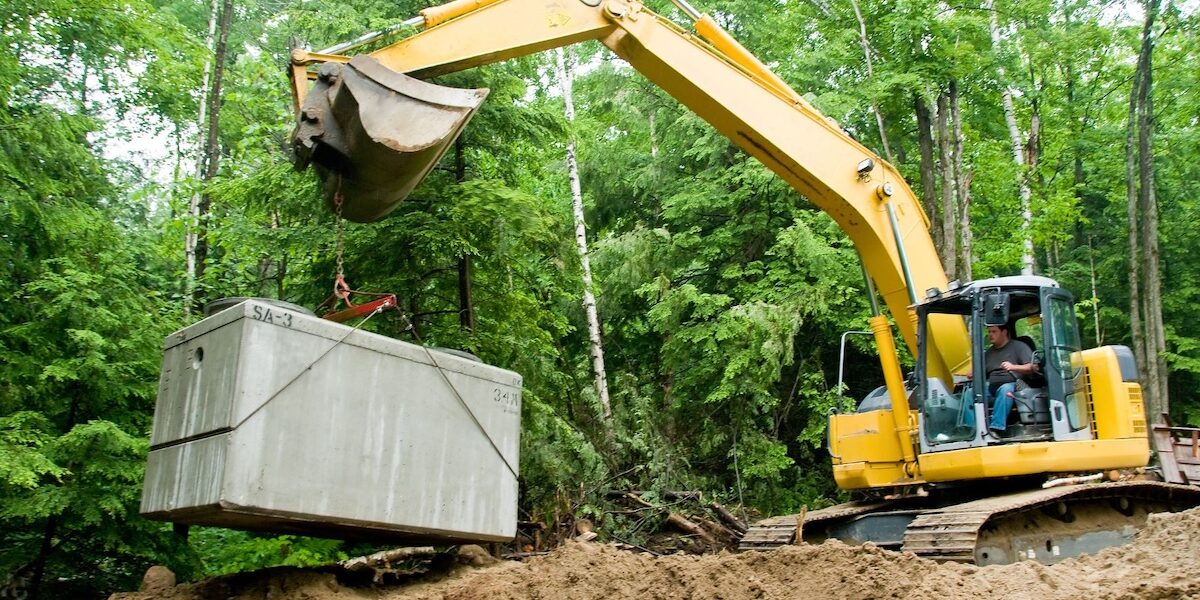
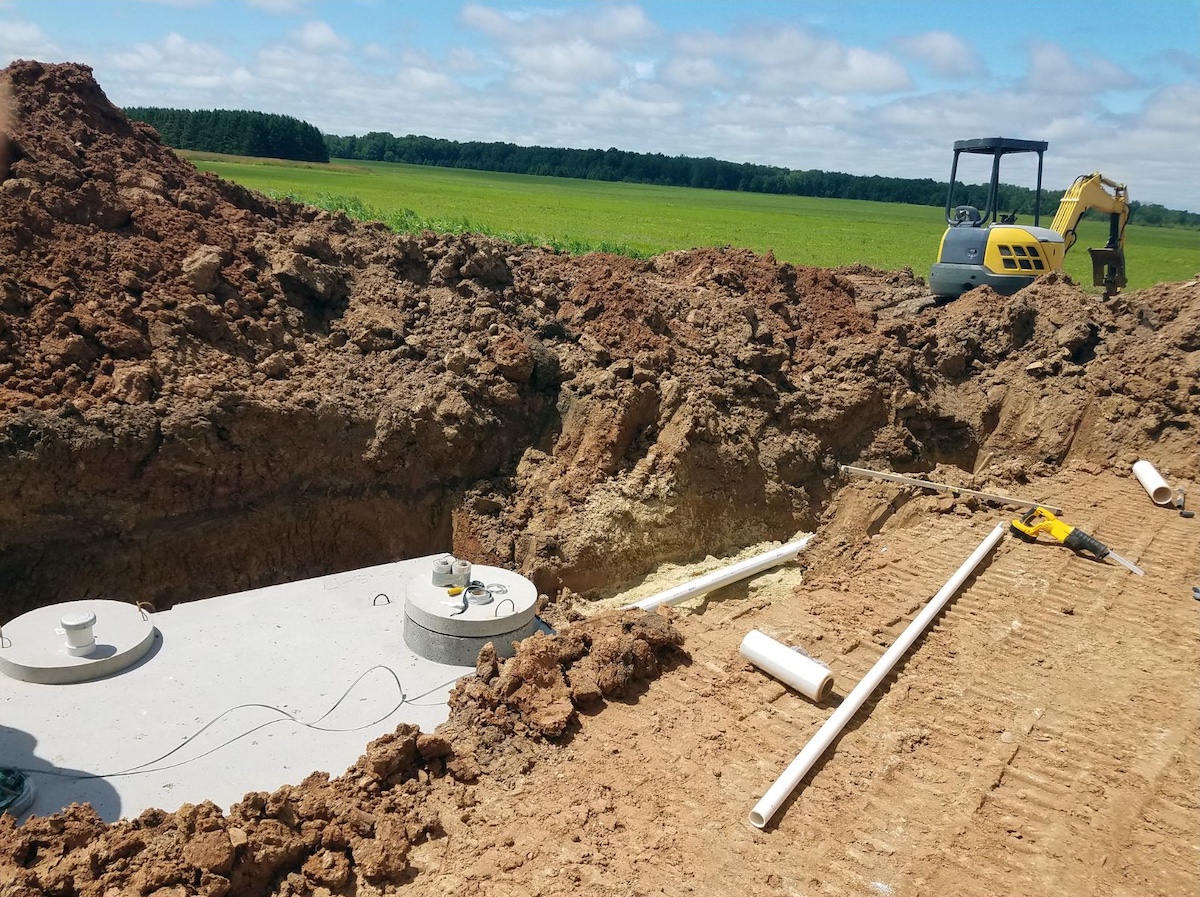
A septic system is an on-site wastewater solution. It’s the most common setup for homes in the rural areas surrounding Lake Martin. The system consists of an underground tank buried on the property and a drain field — also called a leach field — where treated liquid disperses safely into the soil.
All household wastewater flows into the septic tank. Solids settle to the bottom and form sludge. Lighter materials float to the top as scum. The liquid in the middle — called effluent — flows out to the drain field. Naturally occurring bacteria break down the waste over time. The soil filters the effluent before it reaches groundwater.
Installation costs for a new septic system typically range from $4,000 to $10,000. The actual cost depends on soil conditions, lot size, and system type. Some properties require a more advanced system due to lot characteristics or proximity to the shoreline. Ongoing costs are relatively modest — primarily periodic inspections and pumping every 3 to 5 years, which generally run $300 to $600 per service.
Advantages of a Septic System for Lake Martin Properties
Septic systems are the default option across much of the Lake Martin area. They work well for properties where community sewer infrastructure isn’t available. Here’s what homeowners appreciate about them:
- Independence: Your wastewater system operates on-site. You’re not reliant on a municipal or community utility for service.
- Lower monthly costs: After installation, you pay only for periodic maintenance — not monthly sewer fees.
- Ideal for larger lots: Many Lake Martin waterfront properties have ample space for a well-designed system and drain field.
- Long lifespan: A properly maintained septic system can last 25 to 30 years or more.
The keyword is maintained. A neglected septic system will fail. And a failing system near Lake Martin can mean contamination, costly repairs, and potential violations. Regular pumping and inspections aren’t optional — they’re the cost of ownership.
What Buyers Should Know Before Purchasing a Septic Property
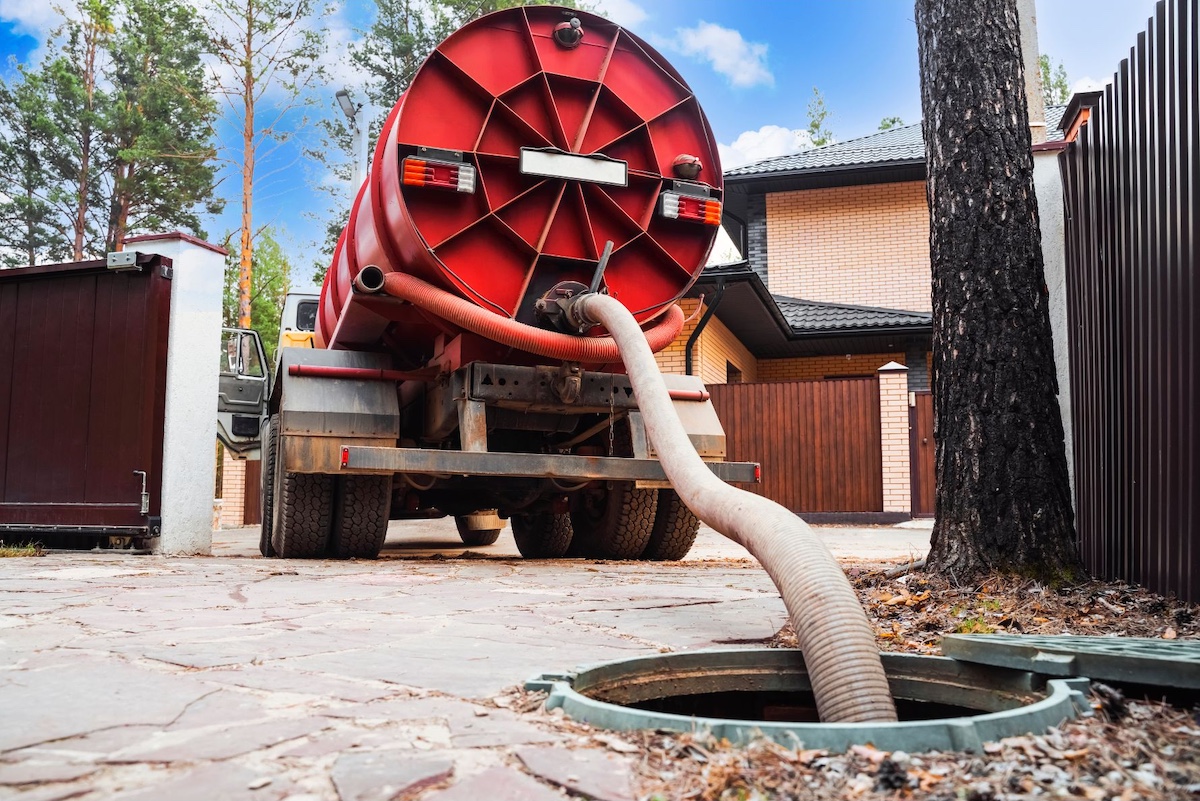
If you’re purchasing a home with a septic system, ask for the inspection and pumping history. Find out when the tank was last pumped and inspected. Ask about the drain field location and whether any heavy vehicles or deep-rooted trees are near it. Both can damage the system.
Request a professional septic inspection as part of your due diligence. A licensed inspector can assess the tank’s condition, check for leaks, and evaluate the drain field. If the system is aging or has not been serviced recently, factor repair or replacement costs into your offer.
Exploring Community Sewer Services
A community sewer system connects your home to a centralized wastewater treatment plant. Sewer lines run beneath streets and roads. A local utility or municipal authority manages all operations, maintenance, and regulatory compliance. You pay a connection fee when the home is tied into the system — and ongoing monthly service charges after that.
Community sewer is available in some Lake Martin neighborhoods and subdivisions, particularly those closer to incorporated areas. It’s less common on rural waterfront lots. When it is available, many buyers prefer it for the reduced maintenance burden.
Benefits of Community Sewer for Lake Martin Homeowners
- Convenience: No septic pumping, no drain field worries, no on-site maintenance responsibilities.
- Reliability: Professional utility teams handle repairs, monitoring, and seasonal demand fluctuations.
- Environmental protection: Centralized treatment facilities operate under strict regulatory oversight.
- Simpler home sale: Buyers often feel more comfortable with community sewer — it removes one variable from the inspection process.
The trade-off is cost. Monthly sewer fees add up over time. Connection fees at closing can range from a few hundred to several thousand dollars, depending on the utility provider and the specific property. Budget accordingly if community sewer is part of the picture.
Choosing the Right Property for Your Lake Martin Home Search
Most buyers on Lake Martin don’t get to choose their wastewater system — they choose a property, and the system comes with it. Community sewer is available in some areas and simply not an option in others. That’s why it’s important to ask about wastewater infrastructure early in the search process, not after you’ve already fallen for a property.
Here’s what to factor into your evaluation:
- Lot size and terrain: Septic systems need adequate space and suitable soil. Smaller lots or challenging terrain may limit septic options.
- Budget for ongoing costs: A septic system has lower monthly costs but requires periodic service. Community sewer has predictable monthly fees.
- System age and condition: An aging septic system on an older property may need replacement within a few years. Price that into your offer.
- Future resale: In some markets, community sewer is a selling point. Understand what buyers in your target price range expect.
Team Windy Carter and Mindy McWhirter work with buyers at every stage of the Lake Martin home search. They routinely help clients review inspection records, ask the right questions about wastewater infrastructure, and consult with local health departments or utility providers when needed. This kind of local knowledge isn’t something you find in a national brokerage portal.
Septic System Maintenance: A Quick Reference
If your Lake Martin home relies on a septic system, here’s a straightforward maintenance schedule to protect your investment:
- Pump every 3 to 5 years: Regular pumping removes accumulated solids and prevents system overload.
- Inspect annually: A licensed inspector can catch problems before they become expensive failures.
- Protect the drain field: Keep heavy vehicles, livestock, and deep-rooted trees away from the leach area.
- Watch what goes down the drain: Grease, wipes, and harsh chemicals can damage the bacterial balance in the tank.
- Know the system’s location: Mark it clearly so landscaping and future construction don’t interfere.
A well-maintained septic system is a reliable, low-hassle part of lake homeownership. Problems almost always stem from neglect — not from the system itself.
Frequently Asked Questions
The listing agent or seller can tell you. You can also check with the county health department, which maintains records for permitted septic systems. If the property is in a platted subdivision, the homeowners’ association or the local utility authority may also have records on file. During due diligence, request a copy of the most recent septic inspection or ask for documentation of the sewer connection.
Most septic professionals recommend pumping every 3 to 5 years for a typical household. The frequency depends on tank size and how many people use the system regularly. A vacation home with seasonal use may need pumping less often than a full-time residence. The best approach is to have a licensed inspector assess the system.
Yes, a failing or non-compliant septic system can delay or derail a closing. Lenders often require that the system be inspected and be in working order before approving a mortgage. If an inspection reveals problems, the seller typically must repair or replace the system or reduce the price to account for it. Buyers should always include a septic inspection as part of their due diligence, and sellers should address any known issues before listing.
Yes. Alabama Power, which owns most of the Lake Martin shoreline, works alongside the Alabama Department of Public Health to ensure wastewater systems near the water meet current standards. Properties in shoreline zones may be subject to enhanced requirements, including setback distances from the water’s edge and minimum soil percolation standards.